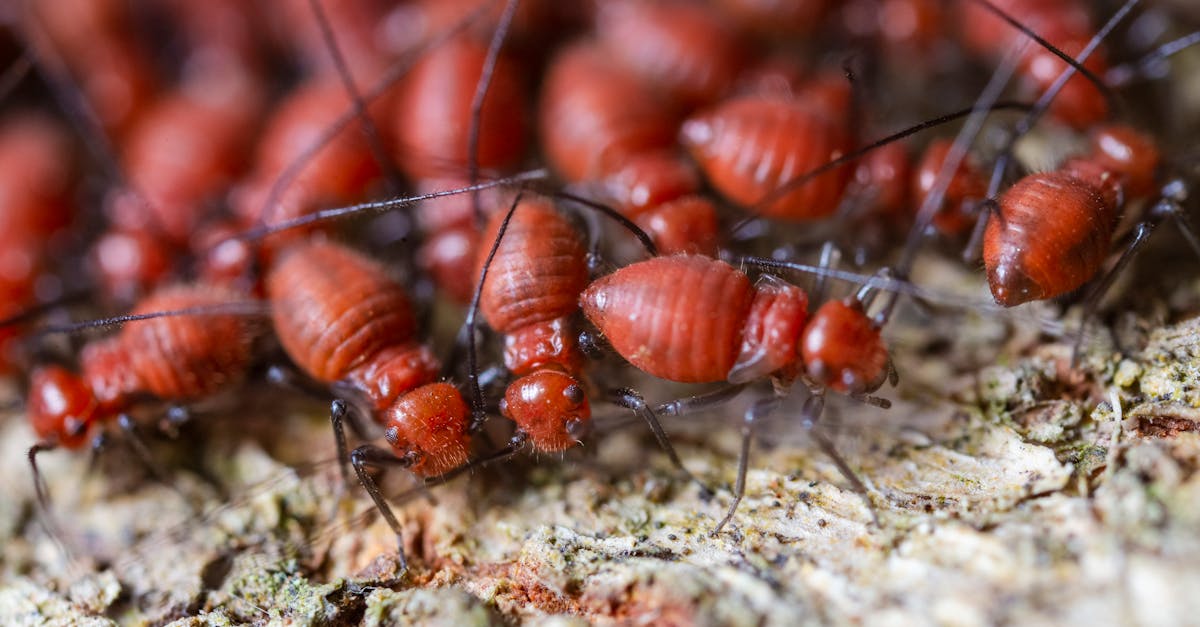
Multi-Species Targeting in Termite Baiting Approaches
Table Of Contents
Challenges in Multi-Species Targeting
Termites exhibit a range of species-specific behaviours, making successful baiting a complex task. Variations in feeding preferences, foraging patterns, and nest construction methods can significantly influence how different species interact with bait. Understanding these behaviours is essential for developing effective multi-species targeting strategies. In many cases, a bait designed to attract one species may inadvertently deter another, leading to insufficient control of termite populations.
Another challenge arises from the ecological dynamics of pest populations. The presence of non-target species can interfere with bait uptake and efficacy. For instance, other insects may compete for the bait or even consume it before termites can access it. This complicates the management of termite infestations as it requires careful planning and selection of bait formulations that can successfully attract targeted termite species while minimising interference from non-target organisms.
Addressing Species-Specific Behaviour
Understanding the distinct behaviours of various termite species is crucial for refining baiting strategies. Each species exhibits unique foraging patterns, colony structures, and feeding preferences. For example, subterranean termites typically remain hidden in their tunnels during foraging, while drywood termites may venture more freely within wooden structures. By observing these behaviours, pest controllers can tailor bait placements to enhance the likelihood of termite interactions with the bait, thereby increasing the effectiveness of treatment.
Additionally, accounting for the social dynamics within termite colonies can improve bait success. Some species, such as the Formosan termite, demonstrate aggressive inter-colonial competition, which can affect how baits are accepted or ignored. Implementing techniques such as using attractants that mimic natural food sources or deploying baits in areas frequented by the target species will encourage more effective uptake. By addressing these species-specific behaviours, pest management professionals can develop more sophisticated approaches that not only target the intended species but also reduce the risk of overlooking critical behaviours that would impede control efforts.
Application of Multi-Species Baits
The application of multi-species baits requires a strategic approach to ensure that various termite species are effectively targeted. Bait stations should be strategically placed in areas of known activity, taking into account the foraging behaviour of different species. This placement maximises exposure while minimising the risk of baits being ignored. Regular monitoring of bait stations is crucial for determining optimal locations, as shifts in termite populations may require adjustments in bait placement.
In considering the formulation of baits, it is essential to use ingredients that appeal to a range of termite species. Successfully attracting different species increases the likelihood of effective control across diverse populations within a targeted area. Additionally, labelling and clear instructions on bait usage help ensure that applicators employ the correct methods for maximum efficacy, ultimately reducing the chances of resistance developing among the termite populations.
Best Practices for Effective Results
Using a systematic approach enhances the effectiveness of multi-species baiting. It is essential to conduct thorough assessments of the target termite species within the area. This includes understanding their nesting habits and feeding preferences. Timing also plays a crucial role, as applying baits during active periods maximises the chances of foraging termites encountering the bait. Regular monitoring ensures that adjustments can be made based on observed activity and efficacy.
Incorporating a variety of bait formulations can yield better results, as different termite species may respond favourably to specific attractants. By blending both delayed and faster-acting baits, pest managers can increase the likelihood of disrupting colonies. Training staff on the nuances of multi-species behaviour aids in the proper placement and application of baits, ultimately leading to more successful termite management strategies.
Environmental Considerations
The use of multi-species baiting strategies raises important environmental considerations. While targeting specific termite species, it is crucial to evaluate the potential impact on non-target organisms. This includes assessing the risks posed to beneficial insects, plants, and wildlife that may inadvertently come into contact with the bait. A careful selection of active ingredients plays a significant role in minimising negative effects, ensuring that the ecological balance is preserved while still effectively managing termite populations.
Implementing effective baiting techniques also requires an understanding of local ecosystems. Recognising the presence of non-target species in the environment informs bait application strategies. Incorporating guidelines that focus on placement, timing, and chemical properties can enhance the efficacy of control measures while reducing harm to surrounding biodiversity. Ongoing monitoring and assessment of both target and non-target species can further support sustainable practices in termite management.
Minimising Impact on Non-Target Species
The use of multi-species baits in termite control presents unique challenges, particularly when aiming to protect non-target species. Careful selection of bait ingredients can significantly mitigate collateral damage. It is essential to choose formulations that are less appealing or harmful to beneficial organisms such as ants, spiders, or various pollinators. Implementing baits within planned zones, well away from crucial habitats, helps further minimise unintended consequences.
Monitoring the environmental impact after bait application is essential for ensuring the health of surrounding ecosystems. Regular assessments can identify any adverse effects on non-target populations, leading to prompt action if issues arise. Additionally, educating clients and pest control professionals about the importance of using targeted baits allows for more responsible practices in termite management. By prioritising non-target species, the overall ecological balance can be maintained while effectively managing termite infestations.
FAQS
What is multi-species targeting in termite baiting?
Multi-species targeting in termite baiting refers to the practice of using bait systems designed to effectively attract and control various termite species simultaneously, rather than focusing on a single type.
What challenges are associated with multi-species targeting?
Challenges include understanding the different behaviour patterns and feeding preferences of various termite species, which can complicate the formulation and application of effective bait strategies.
How can species-specific behaviour be addressed in baiting?
Species-specific behaviour can be addressed by conducting thorough research on the target species, adjusting bait formulations to suit their preferences, and employing strategic placement of baits to maximise effectiveness.
What are some best practices for applying multi-species baits?
Best practices include regular monitoring of bait stations, ensuring baits are placed in high-activity areas, and adapting bait types based on observed feeding habits of the target species.
What environmental considerations should be taken into account when using multi-species baits?
Environmental considerations involve minimising potential impacts on non-target species, ensuring that bait materials are safe for the surrounding ecosystem, and adhering to local regulations regarding pesticide usage.
Related Links
How to Choose the Right Baiting System for Your PropertyInstallation Best Practices for Termite Baiting Systems
The Impact of Environmental Conditions on Baiting System Success
Long-Term Maintenance Strategies for Baiting Systems
Evaluating the Timeframe for Baiting System Effectiveness
The Role of Monitoring Stations in Termite Baiting Systems
Comparing Liquid Treatments and Baiting Systems for Termite Management